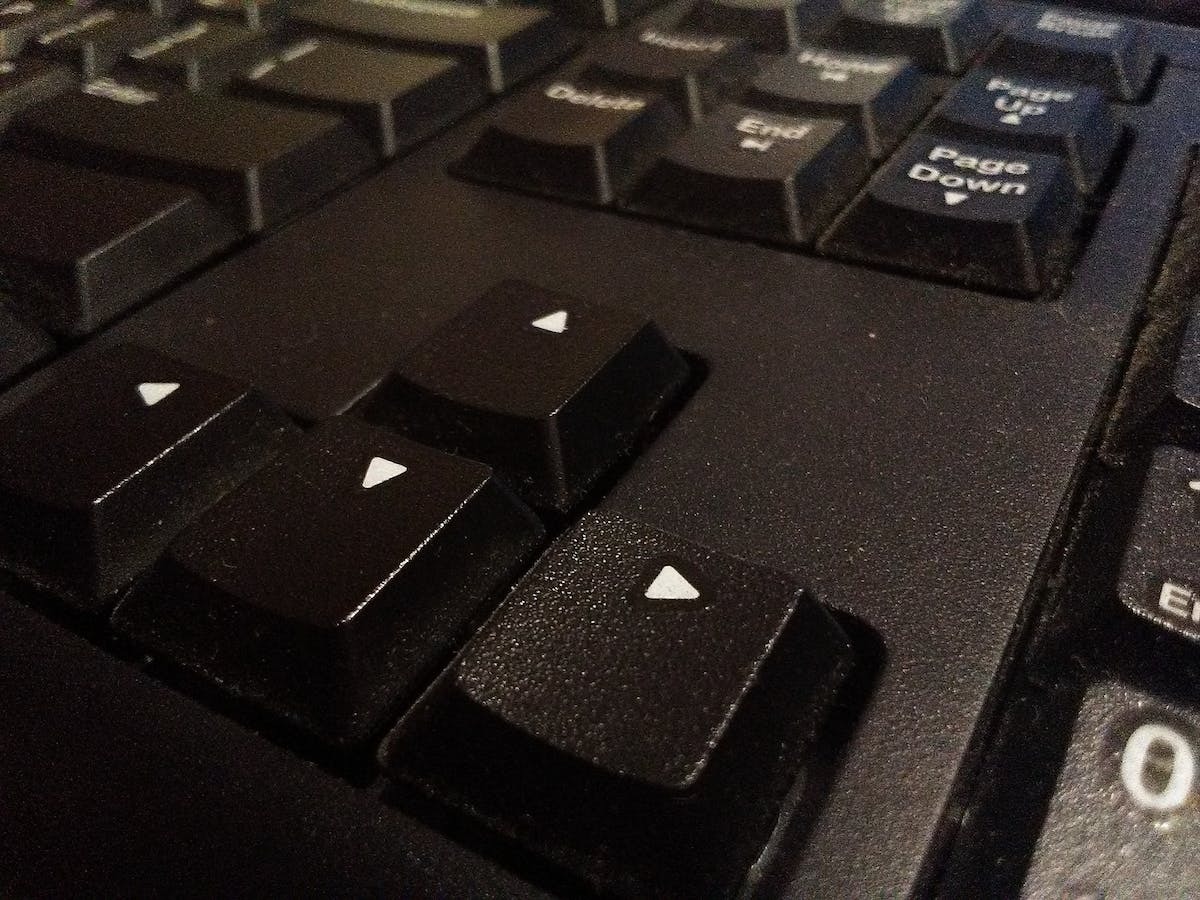
In today’s digital world, everyone relies heavily on their keyboard to perform various tasks, whether personal or professional. Issues such as stuck keys or the disabling of certain keys can occur, hindering the normal flow of your activities. Fortunately, several solutions exist to remedy these problems. Whether you are a novice user or a seasoned technician, this practical guide will help you reset your keyboard keys in the simplest and most effective way possible. It will provide you with detailed steps to resolve these common keyboard issues.
My keyboard is malfunctioning: what solutions
Some incidents can sometimes prevent us from using our computer optimally. Among them, the malfunction of keyboard keys is undoubtedly one of the most frustrating. There is a proven solution: resetting the computer keyboard.
Resetting the keyboard can resolve various issues such as sticky keys, incorrectly entered letters or numbers, or even a delay between typing and display on the screen. To proceed, several steps are necessary.
First, check if all your connections are properly plugged in, especially those connected to the USB port where your keyboard is plugged in. Sometimes, simply reconnecting it is enough to solve the problem.
If this first measure does not yield any significant results, you can then move on to the next phase, which is to actually reset your computer’s keyboard. In this case, go to ‘Control Panel’ and then select ‘Hardware and Sound’. Then click on ‘Devices and Printers’, locate your keyboard in the list presented, right-click and choose ‘properties’. Click on ‘default settings’ to perform the actual reset.
Wait a moment while your system processes this command; once completed, restart your machine to ensure that all changes are properly recognized by the operating system.
However, it should be noted that such a maneuver is not always sufficient when the keyboard has more severe malfunctions. For example, if certain keys are physically damaged or if a liquid has been spilled on the keyboard, you will need to consider other solutions such as deep cleaning the hardware or even replacing it.
You should take all possible preventive measures to avoid this kind of inconvenience. Regular and meticulous maintenance of your keyboard will help you avoid the accumulation of dust and other residues that can harm its proper functioning. Careful use is also recommended, such as avoiding using the keyboard with wet or greasy hands.
When faced with a problem with your keyboard keys, keep in mind that the solution may be as simple as resetting the computer keyboard. It is a quick and effective operation that requires no special technical skills but could very well save your day.

Possible causes of defective keys
When we encounter problems with the keys on our keyboard, it is important to understand the possible causes that may be behind these malfunctions. By identifying the source of the problem, it becomes easier to adopt the appropriate solution.
One of the main reasons why some keys may not function properly is simply the natural wear of the keyboard. Over time and with intensive use, the internal components can suffer deterioration that affects their proper functioning. The springs or membranes under each key can weaken or deform, leading to poor contact between the key and the electrical circuit.
Another factor to consider is the presence of dust, dirt, or even spilled food on the keyboard.
Resetting keyboard keys: steps to follow
Clean the keyboard: Start by disconnecting the keyboard from the computer. Gently turn it upside down and shake it lightly to remove any dirt or dust that may be stuck between the keys. Then use a can of compressed air to blow under each key and eliminate any remaining particles. You can also use a cotton swab dipped in isopropyl alcohol to gently clean the surface of the keys.
Check the connections: Make sure all the keyboard connections are properly plugged into your computer’s central unit. Carefully unplug and replug all cables to ensure they are securely connected.
Update the keyboard drivers: Sometimes, issues with certain keys can be resolved simply by updating the keyboard drivers on your computer. Check the manufacturer’s website or search online for the latest version of the appropriate drivers for your specific model.
Tips to avoid recurring key problems
Calibrate the keys: Sometimes, certain keys may be disabled or have different sensitivity. To remedy this, it is possible to calibrate the keys of the keyboard. Before starting this process, make sure you have installed the software provided by the keyboard manufacturer. Once installed, open it and follow the instructions to calibrate each key individually.
Check the regional settings: Problems related to keyboard keys can also be caused by incorrect regional settings on your computer. Make sure that the language and/or keyboard layout are correctly configured in the system settings. If necessary, modify these settings according to your preferences to ensure optimal compatibility between your keyboard and your operating system.
Use a diagnostic tool: Some manufacturers offer specific tools to diagnose and resolve keyboard-related issues. These tools are often available for free download from their official website. Download the tool corresponding to your keyboard model and run it to perform a complete hardware diagnosis as well as suggestions for solutions tailored to your situation.
Contact technical support: If after trying all these tips you still encounter persistent problems with your keyboard keys, it may be wise to directly contact the technical support of the manufacturer or that of the computer on which you are using the problematic keyboard. They will be able to examine the situation in more detail and provide you with personalized assistance to resolve the issue.
By following these simple tips, you should be able to reset the keys on your keyboard and restore them to optimal working condition. Remember to adopt preventive measures, such as regularly cleaning your keyboard to avoid dust accumulation and thus maintain its long-term performance.
Alternatives if resetting does not work
In some cases, despite all efforts to reset the keyboard keys, you may not be able to resolve the issue. Don’t get discouraged! There are still a few alternatives you can try before considering purchasing a new keyboard.
Check if your keyboard is compatible with your operating system. Sometimes, a keyboard that worked perfectly on an earlier version of Windows may encounter compatibility issues with a more recent system update. In this case, check the manufacturer’s website to download and install the latest compatible drivers or software for your operating system.
If this still does not resolve the issue, try using another USB port to connect your keyboard to your computer. USB ports can sometimes be damaged or have connection issues that affect the proper functioning of the device. By simply changing the USB port, you might remedy the key malfunction.
Another alternative is to use a USB to PS/2 adapter. Some older keyboard models are designed to be used via a PS/2 connector rather than using modern USB technology. If this is the case for your keyboard and it does not work properly when plugged directly into USB, try using an adapter to convert the connection to PS/2.
If none of the previously mentioned solutions have worked and you really need to use your keyboard, you might consider purchasing an external keyboard. There are many models available on the market, with different features and price ranges. Make sure to choose a keyboard that meets your needs and budget.
If resetting the keyboard keys does not yield the expected results, do not be discouraged. The alternatives mentioned above can help you find an alternative solution to continue using your computer without being hindered by defective keys.
Taking care of your keyboard for better durability
It is essential to take care of your keyboard to ensure better durability and avoid issues related to defective keys. Here are some simple tips to keep your keyboard in the best condition:
Make sure to keep your keyboard clean by dusting it regularly. Use a soft, dry cloth to remove dirt that has accumulated between the keys. Avoid using harsh chemicals that could damage the surface of the keyboard.
Try to limit the keyboard’s exposure to moisture. Spilled liquids can cause irreparable damage to the internal circuits of the keyboard. In case of an imminent disaster, immediately unplug the device and wipe it carefully.
Avoid eating or drinking in front of your computer while using the keyboard. Food crumbs and liquids can easily seep under the keys and disrupt their mechanism.