In an era increasingly marked by insecurity, the question of protecting one’s home has become crucial. Modern technology today offers us numerous tools to detect an intrusion at home and continues to evolve to provide ever more effective solutions. Whether it’s connected cameras, sophisticated alarm systems, or remote surveillance solutions, there are a multitude of ways to safeguard against intrusions. In this spirit, Delta News examines the various techniques and technologies available to ensure the security of our homes.
Warning Signs of an Intrusion: How to Spot Them
Following these warning signals, we naturally come to the question: ‘how to trap someone who enters your home?’ Obviously, the term ‘trap’ may seem harsh and evoke thoughts of causing harm or provoking a dangerous situation.
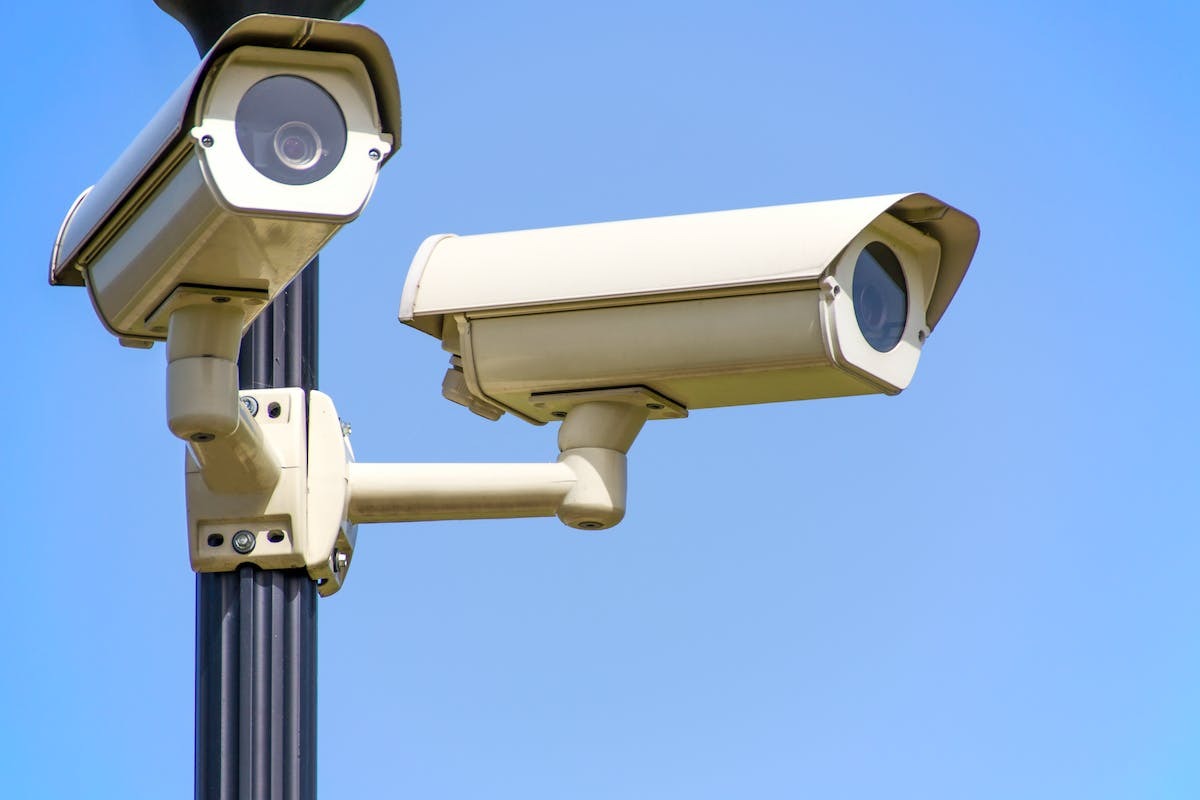
The first thing we can recommend is the use of modernized technologies. Connected security cameras can not only deter a potential intruder but also set an infallible trap for them. Indeed, when movement is detected in their field of vision while no one is supposed to be present, they can instantly send a notification to the owner and start recording the events.
But that’s not all. You can go further with smart alarm systems that automatically trigger when an intrusion is detected, alerting not only the owner but also local authorities if necessary.
Motion-activated outdoor lighting can also play an important role in ‘trapping’ someone trying to illegally enter your home. Not only does it draw attention to them with its sudden illumination, but it often scares off those with bad intentions simply because they think they have been spotted.
Another possibility would be to use invisible fluorescent markers under normal light as a discreet way to trace the path taken by the intruder at night.
However, it should be clarified that all these measures are intended to discourage intrusions rather than to physically harm the intruder. Think of the injuries, which could expose you to legal action. ‘How to trap someone who enters your home?’ is not a question of revenge or retribution. It is more about a preventive necessity: making your home as unwelcoming and difficult to penetrate as possible for anyone who is not invited.
Technological Tools for Detecting Intrusions: Enhanced Security
After becoming aware of the precursor signals, it is time to explore the various technological tools available to detect a home intrusion. In this ever-evolving digital age, these innovative solutions can greatly enhance the security of our homes.
We have motion detection systems that use sophisticated sensors to spot any suspicious movement in your home. These devices are typically placed at vulnerable access points such as gates and windows. When unusual activity is detected, an alert is sent to your smartphone or directly to a security service.
We have the famous alarm system that acts as a true shield against any attempted intrusion. These systems are often equipped with infrared sensors that react to thermal changes caused by human presence. If someone illegally enters your home, the alarm will trigger instantly and will most certainly deter the intruder.
Security Measures: Preventing Intrusions Before They Occur
Technology alone is not enough; consider taking preventive measures to enhance the security of your home. Here are some practical tips to implement:
Reinforce your gates and windows: Ensure that your gates and windows are sturdy and equipped with a secure locking system. Consider installing shutters or bars to deter intruders.
Invest in effective outdoor lighting: Good outdoor lighting can make all the difference in preventing intrusions. Opt for lights with motion detectors that automatically turn on when someone approaches.
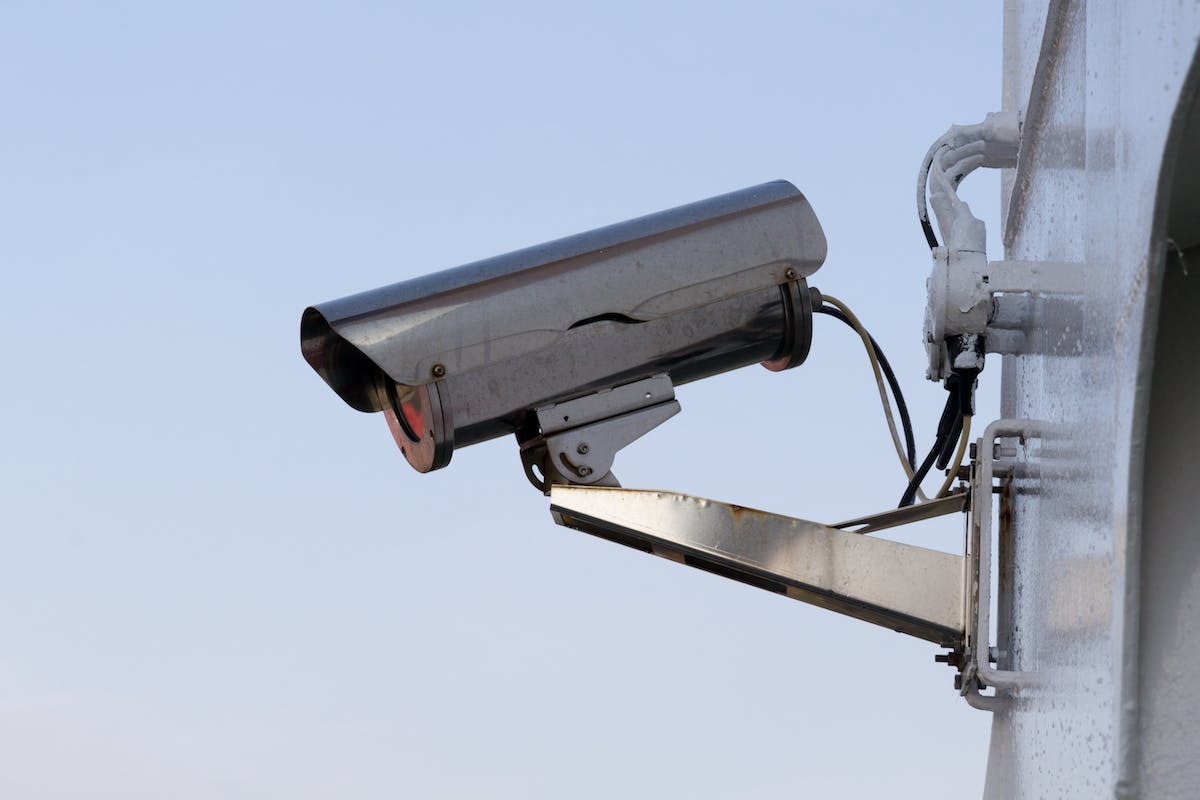
Install a video surveillance system: Surveillance cameras can be deterrent, but also useful for identifying intruders in case of an incident. Choose a modern solution with high-definition image quality and the ability to view recordings remotely.
Protect your Wi-Fi access: An unsecured Wi-Fi connection can facilitate access for hackers or malicious individuals wishing to penetrate your home network. Always ensure to use a strong password that is regularly updated.
Install a sound alarm system: To avoid any unexpected intrusion during your absence, consider using an alarm device. Its installation protects you against any suspected form of intrusion.
In addition to these technical measures, remember to adopt security habits. Always close gates and windows when you leave your home, even for a short period. Do not leave valuables visible from the outside, as this could attract the attention of thieves.
The combination of cutting-edge technology and good practical sense can greatly enhance the security of your home. Stay vigilant and take the necessary steps to protect your house against any unwanted intrusion.
Suspicious Behaviors: Staying Vigilant to Prevent Intrusions
In this article, we will address the crucial section titled ‘The suspicious behaviors to watch for‘ to help you detect a potential intrusion in your home. You must remain attentive to signals that may indicate that an unauthorized individual has entered your home. Here are some suspicious behaviors you should consider:
Surveillance: Be vigilant if you notice someone lurking around your property without apparent reason. Malicious individuals may spend time observing your daily habits to plan their intrusion.
Break-in attempts: If you notice obvious signs of forced entry on your gates, windows, or doors, this may be a clear sign that someone has tried to break into your home.
Suspicious nighttime activities: Unusual occurrence, if you see lights turning on or off late at night when no one should be present in the house, this could indicate unauthorized presence.
Unexplained noises: Pay attention to unusual sounds coming from inside or even outside your home. Sounds like persistent scratching or muffled footsteps may signal the presence of an intruder.
Unexpected changes: If some objects have been moved or seem to have been rummaged through when you return home after a prolonged absence, it is possible that someone entered without your consent.
Alarm triggered: If your alarm system goes off without apparent reason, this may be a sign that someone has attempted to break into your home. Take this alert seriously and contact the appropriate authorities.
Agitated pets: Pets have a sixth sense for detecting abnormal situations. If they seem nervous or bark constantly for no obvious reason, this may indicate the presence of an intruder.
Missing or moved objects: If you discover that valuable items have disappeared or been inexplicably moved, it is possible that a thief has entered your home.
If you notice any of these suspicious behaviors repeatedly, it is imperative to take immediate action to ensure your safety and that of your belongings. Contact the appropriate emergency services as well as your home insurance company to report the incident.
Stay alert to unusual behaviors that may reveal a potential intrusion in your home. Vigilance and prevention are essential to ensure the safety of your home and protect what matters most to you.
Detecting an Intrusion: What to Do in Case of an Alert
When you suspect an intrusion in your home, it is crucial to remain calm and act quickly to ensure the safety of the occupants of the home. Here are the actions to take in case of detecting an intrusion:
Get to safety: If you are present in the house when the intrusion is detected, immediately head to a secure room, such as a lockable bedroom. Do not confront the intruder directly, as this could endanger your life.
Contact the appropriate authorities: Call the appropriate emergency number (usually 1) as soon as possible to report the intrusion and provide them with all important details such as your name, exact address, and a precise description of what happened.
Avoid any contact with objects touched by the intruder: When the police arrive on the scene, avoid touching anything potentially related to the intrusion in order to preserve any potential evidence for their investigation.
Take inventory of damages or disturbances: Once the situation is secure and you have received the green light from law enforcement, take note of any damaged or missing items in your home as well as any obvious changes caused by the intruder.
Check your home security systems: If you have an alarm system or a similar device installed in your home, check if it functioned correctly during this intrusion. If any flaws are identified, contact the security service to inform them and request any necessary updates or repairs.
Inform your neighborhood: Report the incident so they can also be vigilant and take additional preventive measures to ensure their own safety.
Call a professional: Once the situation is under control, you may consider calling a qualified locksmith to enhance your home security by installing safer locks or improving your existing systems.
Reassess security measures: Take advantage of this experience to review all your current security measures and determine if they are adequate or need updates. This may include adding a surveillance camera, improving outdoor lighting, or even investing in a more sophisticated alarm system.
It is essential to be well-prepared in case of an intrusion at home to handle it effectively while minimizing potential risks to yourself and your family. By following these recommended actions, you will be better equipped to manage such a stressful situation and best protect your home against any future intrusion.
Intrusion and Prevention: Consequences to Avoid and Measures to Take
The consequences of an intrusion within your home can be deeply disturbing and leave lasting scars both materially and psychologically. Beyond material damages such as stolen or damaged items, the intrusion can lead to a loss of sense of security and a violation of your privacy.
On a material level, after suffering an intrusion, you may notice the disappearance of valuable items such as jewelry, electronic devices, or even works of art. The damage caused to your belongings can also result in additional financial costs for repairs or replacement of damaged items.
But it is not only on a material level that you are impacted. An intrusion into your personal space can also cause significant emotional shock. The feeling of being violated in your own home often generates stress, anxiety, or even psychological trauma in some individuals.
To avoid these detrimental situations and effectively protect your home against any future intrusion attempts, there are several preventive measures to implement.
Ensure that your gates and exterior access points are well secured with strong locks to discourage any potential intruder from the outside. Investing in an effective video surveillance system will not only allow for detection but also real-time visual recording that could serve as evidence during a police investigation.
Another measure to take is to reinforce window locks, as they are often the preferred entry points for burglars. You can install security bars or sturdy roller shutters to complicate access from the outside.
In terms of security, delegating this task to a qualified professional can be wise. A home security expert can analyze your home and advise you on the best way to improve your protection against intrusions. They will also be able to install sophisticated devices such as a connected alarm system, which will ensure increased monitoring even when you are away.
Do not neglect outdoor lighting. Well-lit areas will deter any suspicious individual from attempting an intrusion into your home. Opt for lights with motion detectors so that anyone approaching your property is immediately detected.
An intrusion within the home has not only a financial impact but also a significant psychological impact on its occupants. By taking appropriate measures such as physically reinforcing access points and implementing an effective video surveillance system, you can greatly reduce the risk of a potential intrusion and thus preserve peace and security in your family environment.