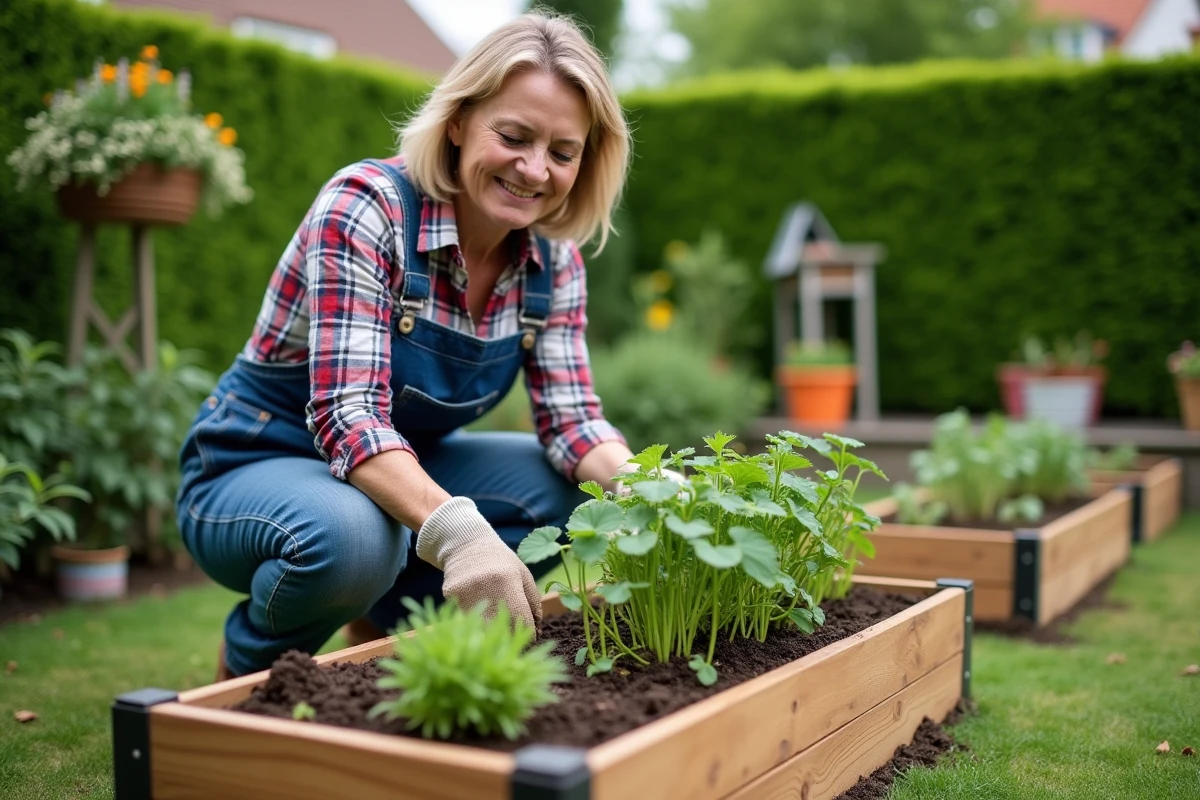
Most chemical fertilizers deplete soil life in the long term, even though they provide an immediate boost. Associating plants like borage or marigold helps limit pest invasions without resorting to synthetic treatments. As for watering, it deserves consideration: some crops benefit from experiencing true dry intervals, while others require consistently moist soil.
In many gardens, local species, often overlooked due to their unassuming appearance, prove to be much more resistant to diseases and drought than varieties chosen for their spectacular looks. Kitchen scraps, carefully valued, often suffice to nourish the earth and maintain a dynamic soil without having to purchase external products.
Why adopting natural gardening transforms your green space
A garden is not just a collection of flower beds, paths, and lawns. By thinking of each green corner as a part of a living whole, a coherent ecosystem is created. Paths are no longer just passages; they connect, structure, and invite movement towards the terrace, vegetable garden, or pool. Width, choice of materials, and smooth circulation all contribute to the balance of the place. The terrace, a true link between indoors and outdoors, becomes a stage for relaxation while opening up to the surrounding plant diversity.
Structuring a garden means considering climate, soil, and light. Focusing on plants suited to the natural conditions of the land ensures the lasting vitality of hedges and flower beds. To preserve privacy and protect from the wind, one can opt for hedges mixing evergreen trees, fast-growing bamboos, and light foliage. These elements, far from being mere screens, enrich the garden’s biodiversity.
Installing a pergola, a fountain, or a shelter provides spaces for pause, conducive to observing the rhythm of the seasons. The lawn can serve as a playground, a passage area, or a resting spot. Well-chosen garden furniture adapts to these various uses, from shaded lunches to summer naps.
To find advice suited to your climate and the nature of your soil, the site jardiniers.info offers targeted and up-to-date resources to support your choices at every stage of landscaping. A garden managed in this natural logic becomes a true living and exchange space, while embracing ecological innovation.
What ecological tips for taking care of your garden throughout the seasons?
Experienced gardeners know: each season imposes its demands… but also opens up a field of possibilities. In spring, mulching and compost become valuable allies. Spreading a layer of mulch keeps the soil cool, slows the growth of unwanted weeds, and protects young roots from chilly nights. When autumn arrives, surface compost revitalizes the soil and prepares the beds for the harsh season.
Watering is not done randomly: drip irrigation precisely targets the needs of plants while saving water. Installing a rainwater collector allows for watering without depending on summer restrictions or increasing the bill. Wise recommendations emphasize watering early in the morning or in the evening to limit evaporation and make the most of every drop.
Here are some simple gestures to integrate throughout the year to enhance the vitality of your garden:
- Schedule your sowing according to a precise calendar to vary the crops in the vegetable garden and maintain species rotation.
- Prepare your natural fertilizers: nettle manure, coffee grounds, eggshells… all tips to stimulate fertility without disrupting the soil’s balance.
- Consider installing a birdhouse in spring: birds are valuable allies in regulating insect populations and promoting biodiversity.
Lawn maintenance also varies with the season. Mulching, leaving cut grass in place, naturally fertilizes and reduces the need for external inputs. In winter, slightly longer grass protects the roots from the cold. Repeated consistently, these gestures contribute to a living, productive, resilient garden, in tune with the rhythm of nature.

Practical tips for a vibrant, healthy garden that respects biodiversity
If you want a rich and lively garden, you should prioritize plants suited to your climate. Depending on exposure and soil composition, a lilac for its spring fragrance, a fig tree, or an olive tree for their Mediterranean silhouette and generous production will help structure the whole. Climbing roses cover walls and pergolas while welcoming beneficial insects. Climbing plants, installed on trellises or pergolas, create shady corners conducive to relaxation and contribute to the creation of favorable microclimates.
Diversity is also found in the choice of herbs and vegetables grown in pots or containers, on the terrace or near the kitchen. A simple pot of potting soil is enough for a basil or rosemary within reach. Seeds collected from previous seasons, or exchanged with neighbors, fuel the dynamics of the vegetable garden. Cuttings allow for multiplying varieties without exhausting the soil.
Discreet but regular maintenance ensures the health of the garden. Equipping yourself with suitable gardening tools makes pruning, weeding, and collecting leaves easier with a blower to enrich the compost. A natural mulch around the beds protects the roots, limits evaporation, and promotes underground life. Installing a birdhouse attracts birds, true natural regulators. Near a pergola, fountain, or shelter, create resting areas to enjoy the coolness and observe the discreet wildlife.
Here are some concrete ideas to improve the vitality and structure of your outdoor space:
- Reuse everyday containers for your young plants.
- Regular attention prevents the appearance of diseases and ensures the vigor of the plantings.
- Define borders and flower beds to organize the space, guide movement, and create rhythm in the garden between paths, lawn, and vegetable garden.
A garden evolves, breathes, and adapts. In every season, every gesture counts: this is where the pride of the gardener is born, facing a space that thrives and renews itself year after year.