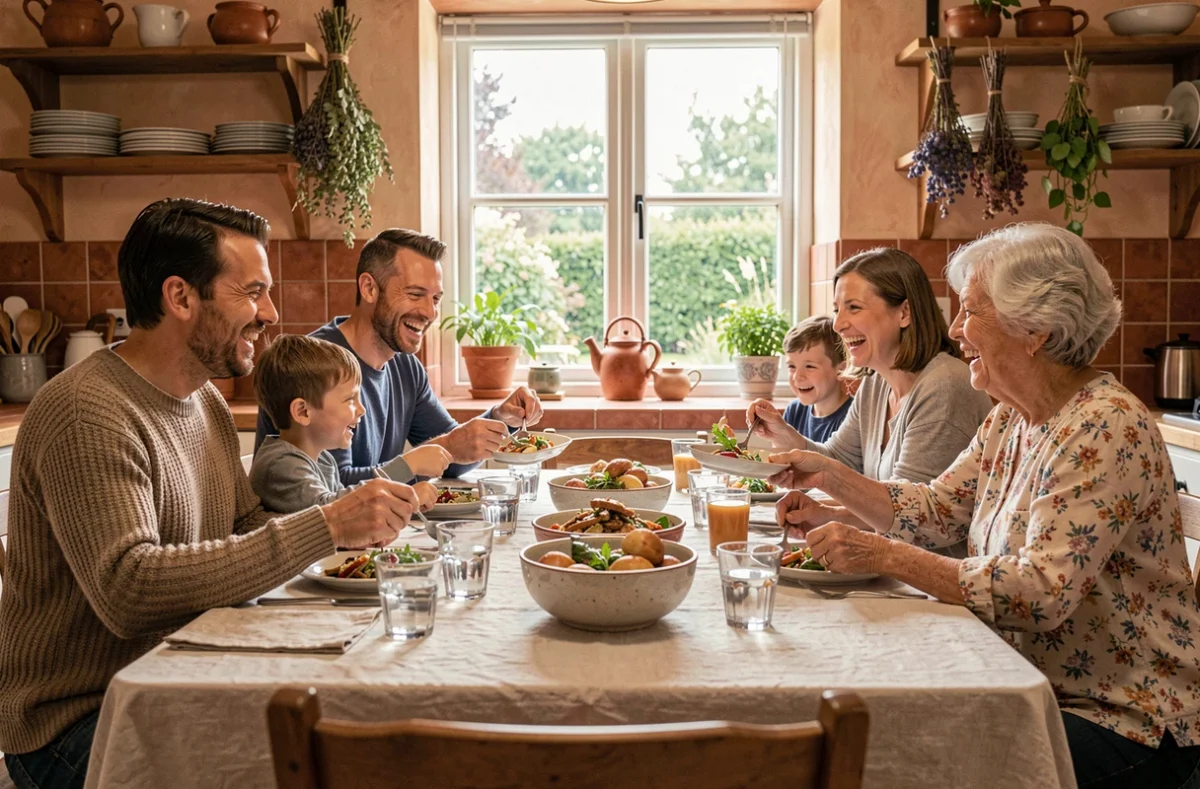
Family life on a daily basis relies on a set of micro-decisions, routines, and ongoing adjustments. Between managing the household, educating the children, and maintaining the couple’s relationship, points of friction often arise where no one expects them: not in major crises, but in the silent imbalances of everyday life.
Family mental load: three dimensions to distinguish
Recent research on domestic work goes beyond just counting the hours spent on cleaning or cooking. Three types of load coexist in a household: physical, cognitive, and emotional. The physical load corresponds to visible tasks (shopping, laundry, meals). The cognitive load encompasses all the invisible management: anticipating children’s medical appointments, thinking about seasonal clothing, planning meals for the week.
The emotional load, less documented, includes managing conflicts between siblings, reassuring an anxious child, or maintaining the connection with school. Studies published in 2026 show that the perception gap between partners regarding this distribution affects the relational quality of the couple, sometimes more than the actual imbalance of tasks.
In other words, one parent may accomplish fewer tasks than the other while still being perceived as involved, as long as the cognitive and emotional effort is recognized. The reverse is also true: doing a lot without it being seen generates lasting resentment. Resources like lesbabillagesdebabinette.com address these family dynamics from a concrete angle, grounded in parental experience.
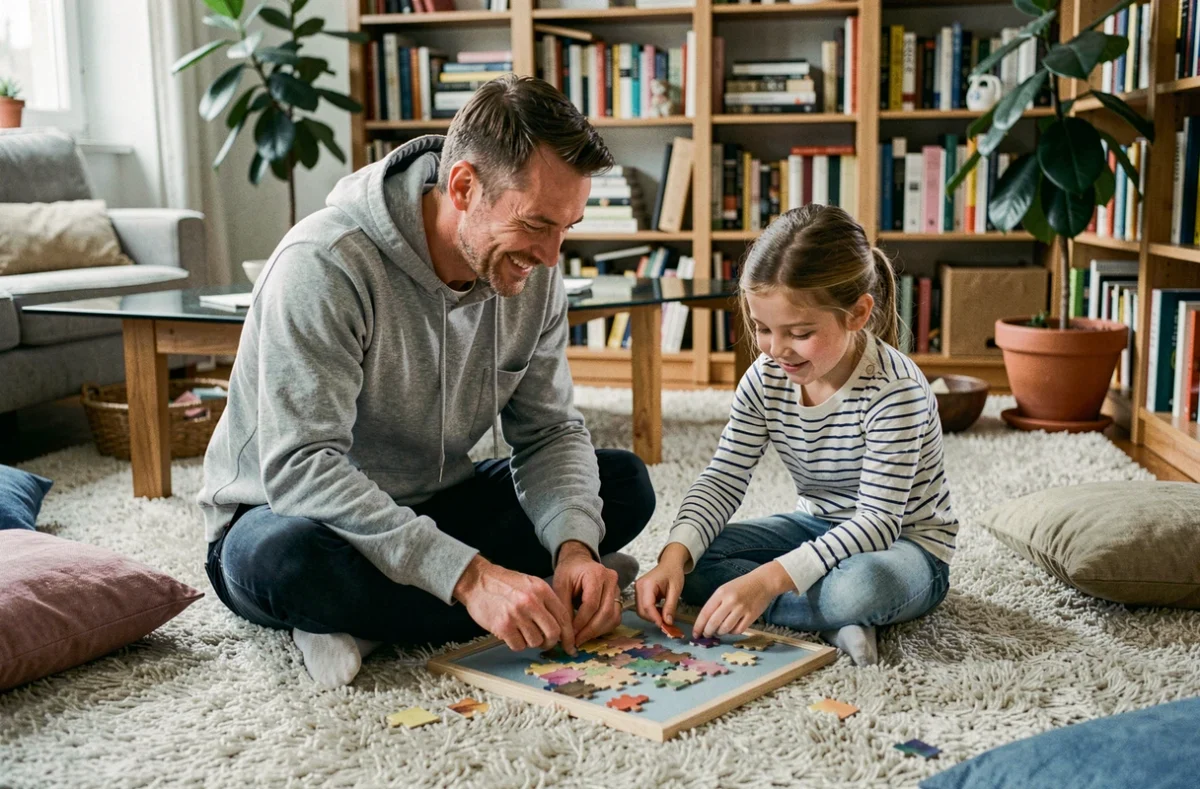
Screens and children: rules that work in daily life
The debate on screen time has evolved. Recent recommendations no longer set a single quota applicable to all ages. They emphasize structural principles that are easier to apply than a timer.
- Screen-free zones in the house: the child’s bedroom and the dinner table are the two spaces where removing screens has the clearest effects on sleep and family communication.
- Stop screens at least one hour before bedtime, regardless of the child’s age, to preserve the quality of falling asleep.
- Develop a suitable family media plan: the needs of a four-year-old and those of a teenager are worlds apart. A single framework for all siblings creates more conflicts than it resolves.
A common pitfall is to set strict rules without applying them oneself. A parent who checks their phone at the table while forbidding screens for their children sends a contradictory message. The family media plan works when it applies to all household members, including adults.
Birth leave in France: an underrecognized provision since 2026
A regulatory change occurred in France in 2026 with the creation of an additional paid birth leave. This provision is in addition to existing maternity and paternity leaves. It can be taken within a limited time after the birth or adoption.
On the ground, this leave remains underutilized. Several factors explain this: lack of awareness of the provision among employees, reluctance from some employers to adjust schedules, and ongoing ambiguity about the exact terms of taking it. The existence of the leave does not guarantee its actual use, especially in small structures where the pressure to return to work remains strong.
What this leave changes for family organization
For couples who access it, this additional time allows for a smoother adjustment period post-birth. The first weeks with a baby concentrate intense fatigue and simultaneous learning (care, breastfeeding, sleep rhythm). Having a few extra days alters the initial distribution of roles at a time when habits solidify for months.
Field reports vary on this point: some parents report a real benefit in the involvement of the second parent, while others feel that the duration remains insufficient to produce a lasting change in the distribution of tasks.

Family rituals: what lasts over time
Parenting advice is full of ideas for rituals: group hugs, daily compliments, game nights. The difficulty is not in listing them, but in understanding why some take hold while others collapse after two weeks.
A family ritual lasts when it meets three conditions. It must be short (less than ten minutes), not depend on any specific materials, and fit into an already existing moment (the journey to school, the evening meal, bedtime). A ritual that requires additional organization becomes just another chore.
The shared meal as a foundation
Among the habits studied, sharing a meal together remains the most robust. It requires no specific preparation beyond daily cooking. It creates a regular space for conversation. And it works at all ages, from the baby in a high chair to the teenager who rolls their eyes.
The only real prerequisite: that screens are absent from the table. This ties back to the family media plan mentioned earlier. Families that uphold this rule at dinner report better communication with their children, even during adolescence.
A thriving family life does not rely on a checklist of tips to tick off. It hinges on a few structural decisions: recognizing invisible loads, setting applicable screen rules, utilizing available legal provisions, and protecting shared moments that cost nothing but are easily eroded by daily life.